CARLISLE, Pa. — Peter Howe and Richard Morgan are coming home.
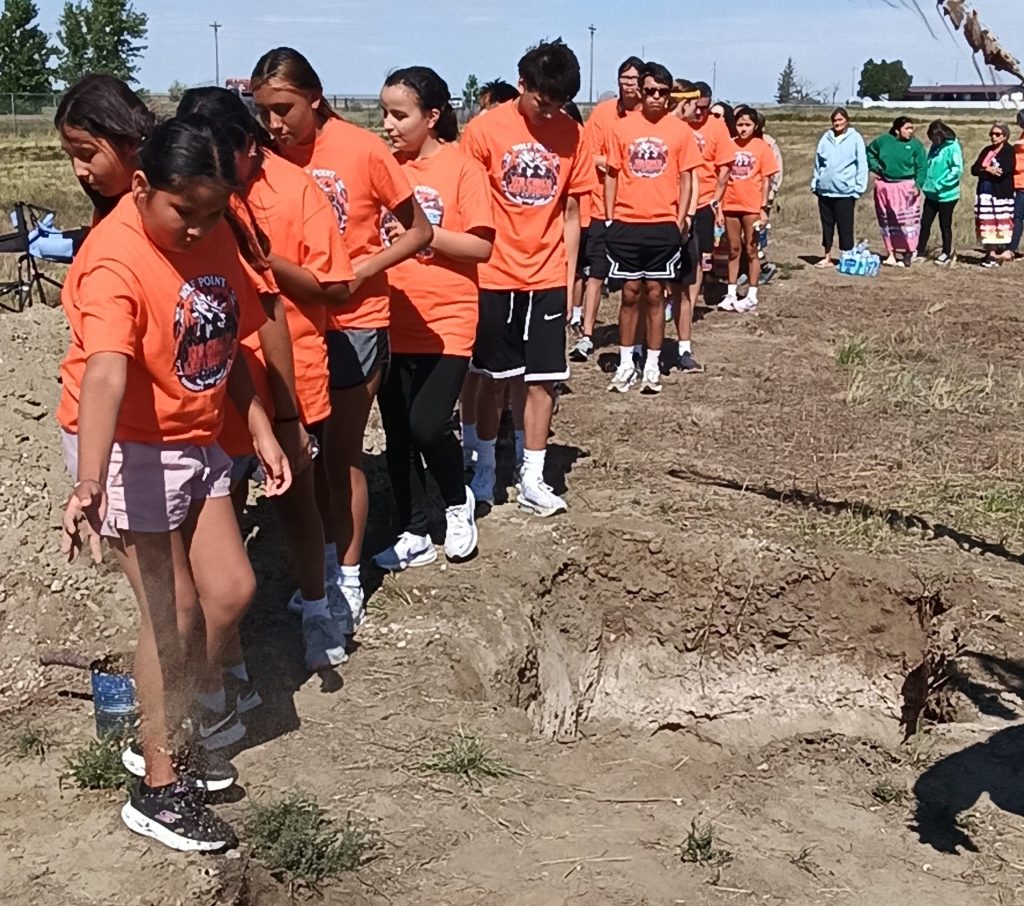
After more than 130 years buried nearly 1,700 miles from the Fort Peck Reservation, the disinterments of the two Fort Peck children were completed Tuesday, Sept. 1, at the Carlisle Barracks Post Cemetery in Pennsylvania.
Fort Peck Tribal Historic Preservation Office Director Dyan Youpee, who is in Carlisle with the Fort Peck delegation, confirmed the completion of both disinterment’s Tuesday afternoon.
“Finished disinterment of Peter Howe & Richard Morgan,” Youpee wrote in an update from Carlisle. “It was a tough day. Families grieved.”
As the delegation left the cemetery, however, Youpee said the families were drawing strength from the prayers and encouragement being sent from Fort Peck and elsewhere.
“Families have gathered strength through your community prayers and encouragement,” she wrote. “It doesn’t go unnoticed or unfelt.”
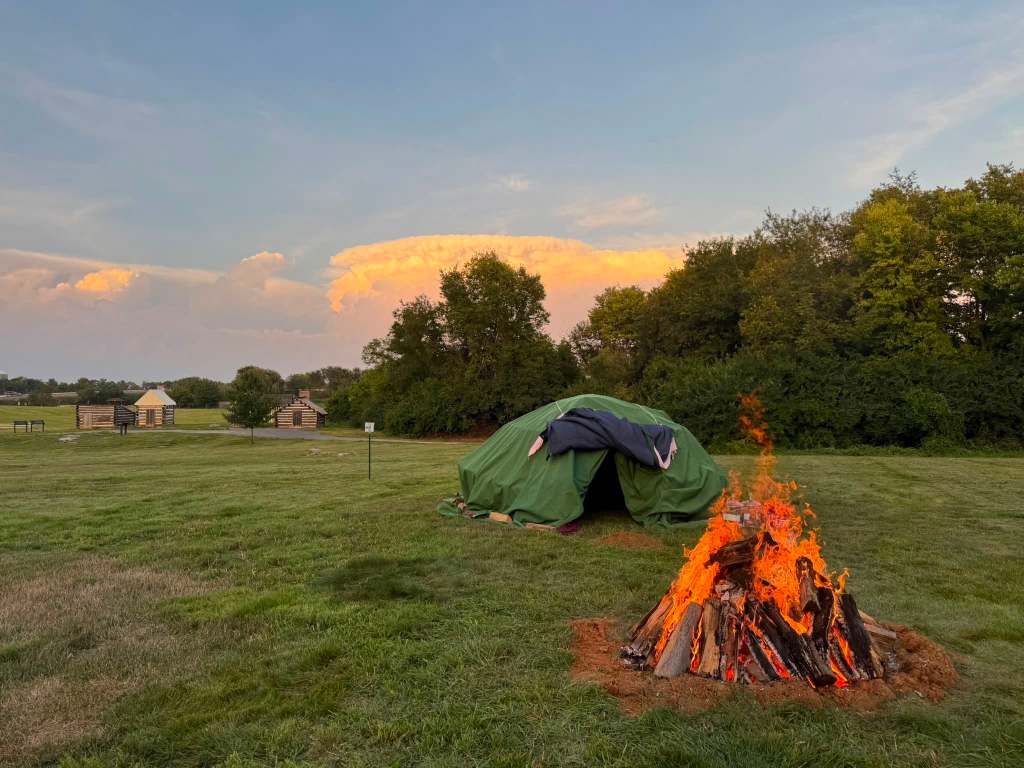
After an emotionally difficult day at the cemetery, the delegation gathered Tuesday evening for Inípi at Carlisle Barracks.
A photograph shared publicly by Youpee showed the lodge standing on the grounds with a fire burning nearby beneath the Pennsylvania evening sky.
“Time for inipi,” Youpee wrote. “Everything is good, beautiful, and feels like home.”
The setting carried significance of its own.
After spending the day recovering two Fort Peck children from the cemetery of the former Indian boarding school, Fort Peck people gathered there in ceremony — practicing traditions that endured despite the assimilation policies that once brought Native children to Carlisle.
Earlier, Youpee described the delegation’s presence in Pennsylvania in just a few words:
“Brought the people with us! Letting Carlisle, PA know we didn’t come alone.”
Three children who left Fort Peck together
Peter Howe, Richard Morgan and Christine Redstone share more than their connection to Fort Peck and the Carlisle cemetery.
All three arrived at Carlisle on April 15, 1890.
They were among the Fort Peck children sent east to the Carlisle Indian Industrial School, an institution founded in 1879 that became a model for the federal Indian boarding school system.
Carlisle’s purpose was assimilation. Native children were separated from their communities and subjected to a system intended to replace their languages, cultures, appearances and traditional ways with those of white American society.
For Howe, Morgan and Redstone, the journey that began at Fort Peck in 1890 would not end with their return home.
All three died in Pennsylvania.
Richard Morgan
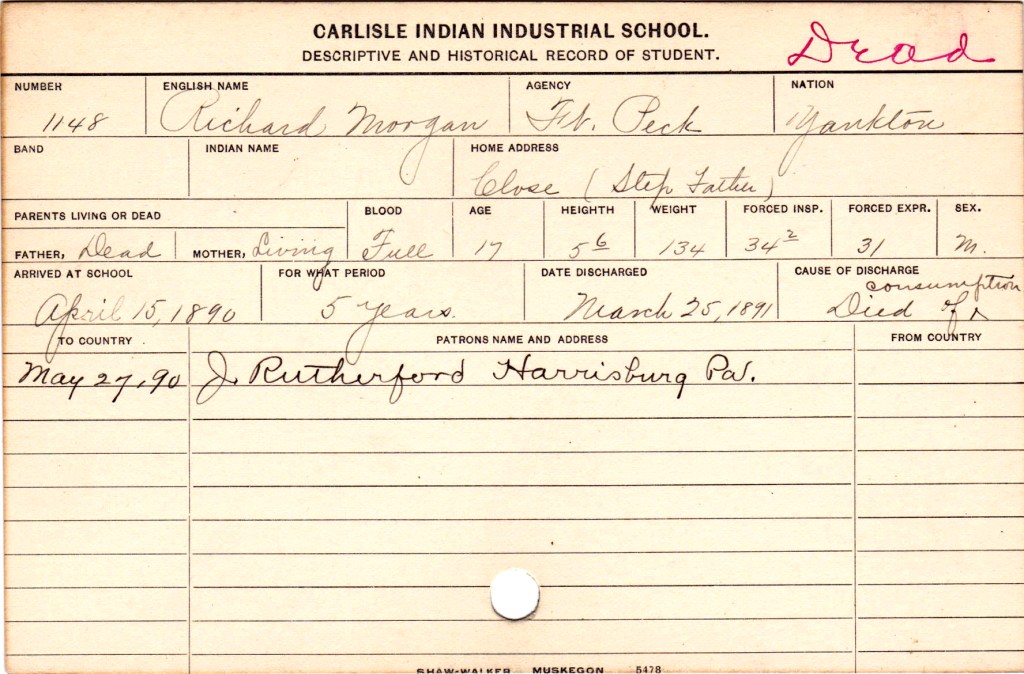
Richard Morgan survived less than a year after arriving at Carlisle.
His surviving Carlisle student record identifies him as a Yankton Sioux student from the Fort Peck Agency and records his death on March 25, 1891.
The record describes the cause of his departure from the school in stark bureaucratic language:
“Died of consumption.”
Consumption was the term commonly used at the time for tuberculosis, an infectious disease that killed numerous Native children at Indian boarding schools.
Richard had arrived at Carlisle on April 15, 1890.
By the following spring, he was dead.
For the next 135 years, he remained buried in Pennsylvania.
That ended Tuesday.
Peter Howe
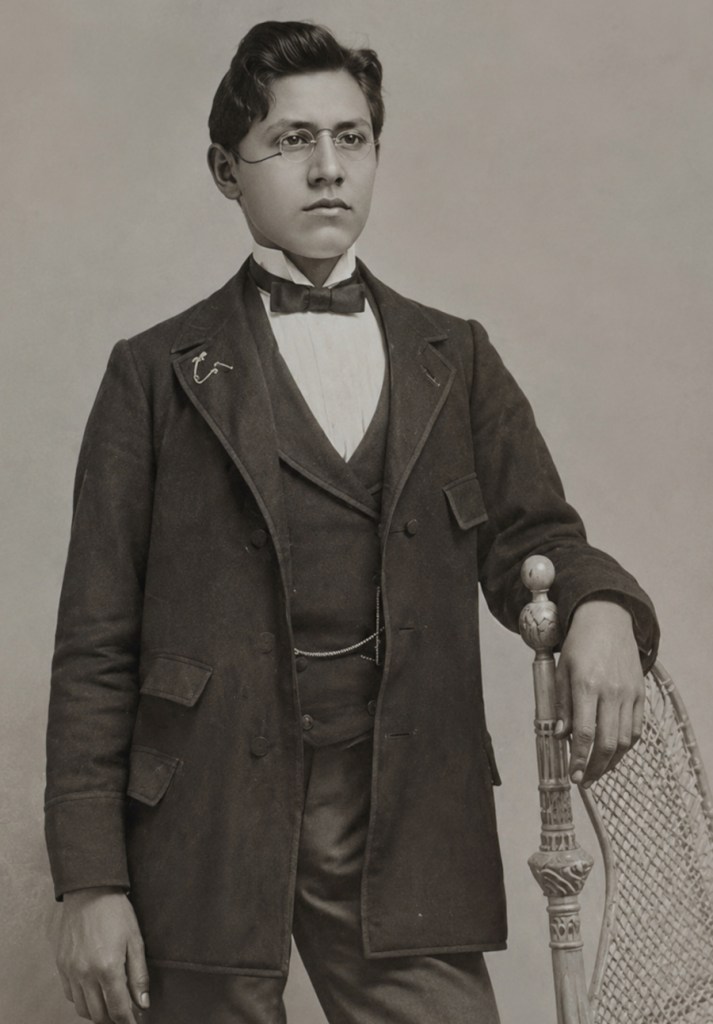
Peter Howe, identified in Carlisle records as Assiniboine, remained at the school considerably longer.
Like Richard and Christine, he arrived on April 15, 1890.
Peter died at Carlisle on June 5, 1896, with historical records also identifying tuberculosis as the cause of his death.
Surviving records contain discrepancies regarding the ages of both boys. Current research connected with the repatriation places Richard at approximately 17 when he died and Peter at approximately 16, while an older Carlisle death ledger recorded different ages.
The discrepancy is one of several reminders of how Native children were documented by the institutions that controlled their lives.
There is another unusual piece of Peter’s history at Carlisle.
Archival research into the cemetery found that his gravesite did not appear on a 1927 cemetery map. His grave was eventually identified in the modern cemetery as plot D-27. Richard Morgan was identified at plot A-30.
For generations, those plot numbers marked where their stories appeared to end.
On Tuesday, they ceased being Peter and Richard’s final resting places.
Fort Peck came back for them
The return of Howe and Morgan is part of a larger effort involving Native children who died at Carlisle and remained buried there long after the school itself closed.
For Fort Peck, however, Tuesday’s work was intensely personal.
These were children who had left this reservation.
Their names survived in school records, cemetery documents and historical archives. Their deaths were recorded in the administrative language of the institution where they died.
But they were never forgotten completely.
More than a century later, their people came east to retrieve them.
The Fort Peck delegation has carried both the regular blue Fort Peck Tribal flag and an orange version of the tribal flag in Carlisle, the latter connected to the Orange Flag Project that has raised awareness at home about the three children’s return.
The flags, community prayers, families and ceremonies have made Fort Peck’s presence visible throughout the journey.
As Youpee put it:
“We didn’t come alone.”
Christine Redstone is next
The work is not finished.
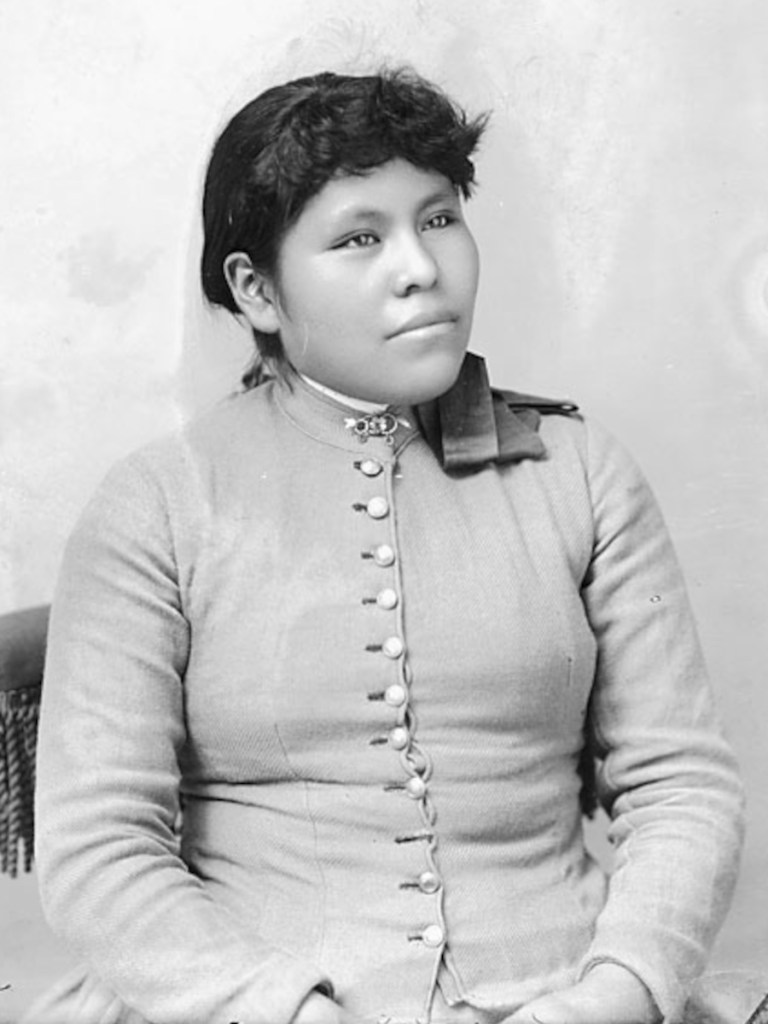
On Wednesday, Sept. 2, the delegation will return to the cemetery and begin the disinterment of Christine Redstone, the third Fort Peck child being brought home.
Christine arrived at Carlisle alongside Peter and Richard on April 15, 1890.
Her return has a particularly direct connection to the present. Living members of the Redstone family have been identified, and her relatives are participating in the effort to bring her home.
Once Christine’s disinterment is completed, all three Fort Peck children who entered Carlisle together 136 years ago will have been removed from the cemetery.
Peter Howe and Richard Morgan are expected to be laid to rest at the Fort Peck repatriation cemetery north of Poplar, while Christine Redstone will return to her family for burial.
But Tuesday belonged to Peter and Richard.
It began at the cemetery, where families grieved as their remains were finally recovered.
It ended with a fire burning beside an Inipi lodge at Carlisle Barracks and Fort Peck people gathering in ceremony.
For 135 years, one fact about Peter Howe and Richard Morgan had remained unchanged:
They were buried at Carlisle.
That is no longer true.
Peter Howe and Richard Morgan are coming home.



Leave a Reply